
CUERPO COLEGIADO DE GUARDIANES: AUTONOMOUS ASSOCIATIONS
AUTONOMOUS ASSOCIATIONS
In this timeline, you will find the actions the Cuerpo Colegiado de Guardianes Comunitarios has taken to disseminate the judgment in the territory and to deeply influence in its duly implementation.
THE ATRATO IS LIFE
TIMELINE
Socialization of the ruling
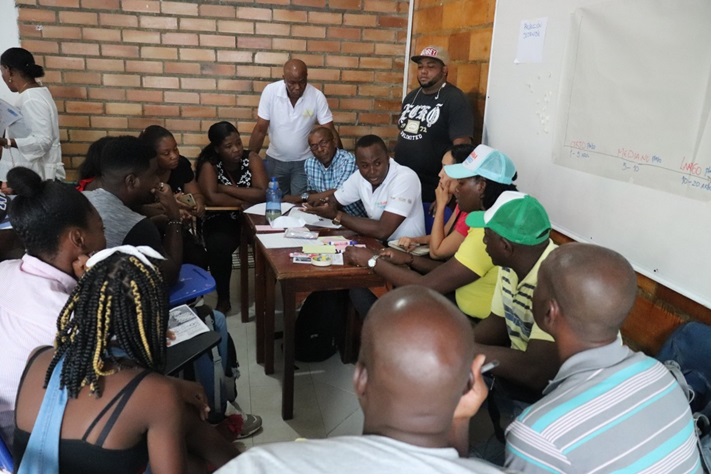
Socialization and analysis of the ruling between the organizations that are petitioners of the guardianship and local ally organizations.
Meeting of petitioners of the Guardianship
Agreement regarding the constitution of a collegiate body as a collective representative of the River. It is decided the participation of the 7 member organizations.
Constitution of the CCGA
Roundtables between petitioners. Designation of the delegate guardians, construction of the CCGA internal regulations and establishment of the CCGA.
Assembly of CCGA
Assembly of CCGA in the municipality of Carmen de Atrato.
Cultural Circuit about the Atrato
Carried out in Bogotá along with the Tour of influence of Guardians with respondent entities and embassies.
Humanitarian route from Quibdó to Turbo
Organized by the CCGA and the Ombudsman’s office. Meetings with each mayor office. Visits to landfills and health centers.
International Tour of Influence
Of delegated guardians and members of the Diocese of Quibdó to United Kingdom.
Assembly of CCGA
Assembly of CCGA in the municipality of Beté.
Atrato Fest, Version I
Massive strategy for sensitization and dissemination of the judgment T- 622 through music, walks, watershed cleaning, solid-waste collection, and fair of typical products.
International Tour of Influence
International Tour of Influence of delegated guardians and members of the Diocese of Quibdó to the United Kingdom, Belgium, and France.
Atrato Fest, Version II
The Second version of the Atrato Fest as an influential action and diffusion of the judgment in the territory.
Assembly of the CCGA
Assembly of the CCGA in the municipality of Lloró.
Attendance at COP26 on Climate Change
International Influence Tour of delegate Guardians in the United Kingdom to share the experience of the judgment T-622.
Tour of influence in Bogotá
Tour of influence of the CCGA in Bogotá to dialogue and ask for specific actions from the responsible entities for the implementation of the Judgment.
Atrato Fest, Version III
The third version of the Atrato Fest as an influential action and diffusion of the judgment in the territory.
Constitution of the Red Interétnica de Jóvenes Guardianes del Atrato
The first meeting of the red interétnica de jóvenes líderes Guardianes del Atrato and the first module of the diploma course in the municipality of Bagadó, Chocó.
Assembly of the CCGA
Assembly of the CCGA in the municipality of Riosucio.
Assembly of the CCGA
Assembly of the CCGA in the municipality of Tutudendó.
Atrato Fest, Version IV
The Fourth edition of the Atrato Fest commemorates the biocultural wealth of the watershed of the Atrato River. It had academic activities as an opening for the COP16, as well as many educational and cultural activities in Quibdó and other municipalities of the watershed.
Culmination of the first version of the Escuela de Jóvenes Guardianes del Atrato.
Closing meeting of the Red Interétnecia de Jóvenes Guardianes del Atrato.
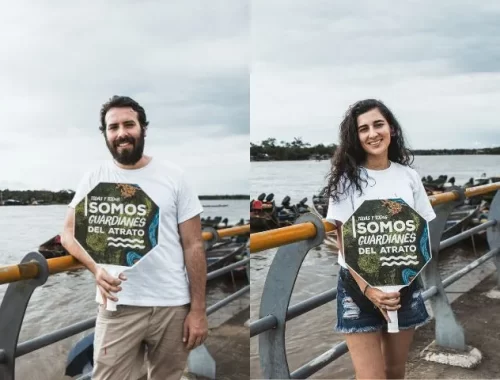
Invited columnists: Viviana Gonzáles and Rodrigo Rogelis, members of the Centro Sociojurídico para la Defensa Territorial Siembra, legal attorneys of the petitioners of the judgment T-622 of the Atrato River.
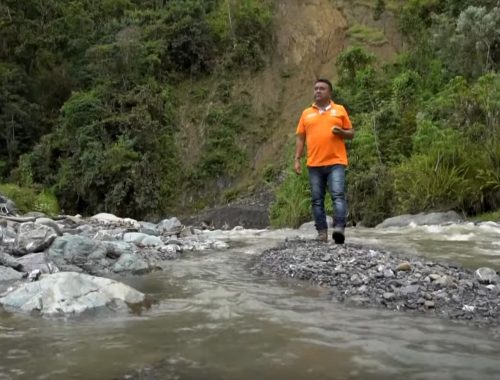
In order to guarantee the protection and decontamination of the Atrato River, in Chocó, Colombia, the judges of the Constitutional Court declared it a “subject of right”. Six years after the judgment, there is still a lot to do. This is a collective work with the journalist Marie Eve Detoeuf, from “Le Monde”.
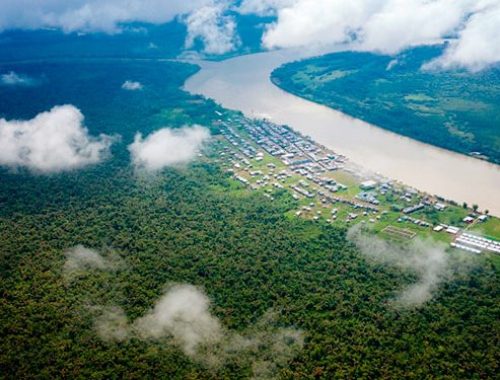
The Guardians of Atrato, along with the Centro Sociojurídico Siembra, will submit next Thursday, November 3rd, a petition to the Constitutional Court for the fifth anniversary of the Judgment T-622, the first to acknowledge a River a subject of rights. In the text, the status of the implementation of the judgment is identified, and even though it has progressed, it has not been fully fulfilled.
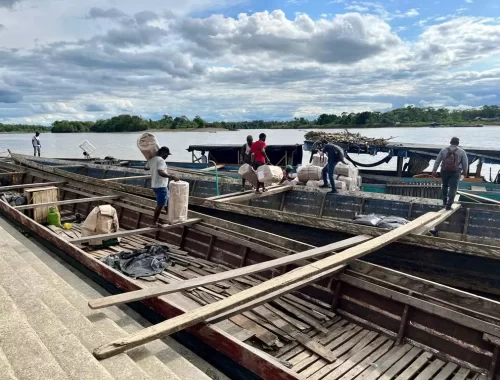
“The judgment T-622 of the Constitutional Court? Everybody here knows it”, says José Adán Palacios, while he charges his boat on the pier of Quibdó. José Adán, who is from Bojayá, transports passengers and merchandise, and knows better than anyone this majestic River and its watersheds. “But the judgment has not changed a thing; the contamination carries on, whether it is due to the mining, deforestation, or trash”, the boatman sighs.