THE JUDGMENT

THE JUDGMENT T-622
THE JUDGMENT T-622

THE JUDGMENT

LACK OF SOCIAL STATE BASED ON THE RULE OF LAW

The Court found violated the rights of the “atrateños”, the people from Atrato, to a healthy environment, health system, water, food, freedom of movement, physical and cultural survival, vital minimum, dignified life, autonomy, and the territory.

It declared that more than 30 entities of the State are liable for this, due to their omission or wrongdoing in the fulfilment of their functions, since they did not take effective, specific, and articulated actions to face and solve the environmental deterioration. These entities will be responsible for implementing the orders of the ruling.

It also warned about the lack of an effective Social State based on the rule of Law in the Department of Chocó as a consequence of the colonial heritance, that established weak political and administrative institutions, mainly focused on the extraction of natural resources, which caused the socioeconomic exclusion of the region from the rest of the country.

THE ATRATO RIVER A SUBJECT OF RIGHTS

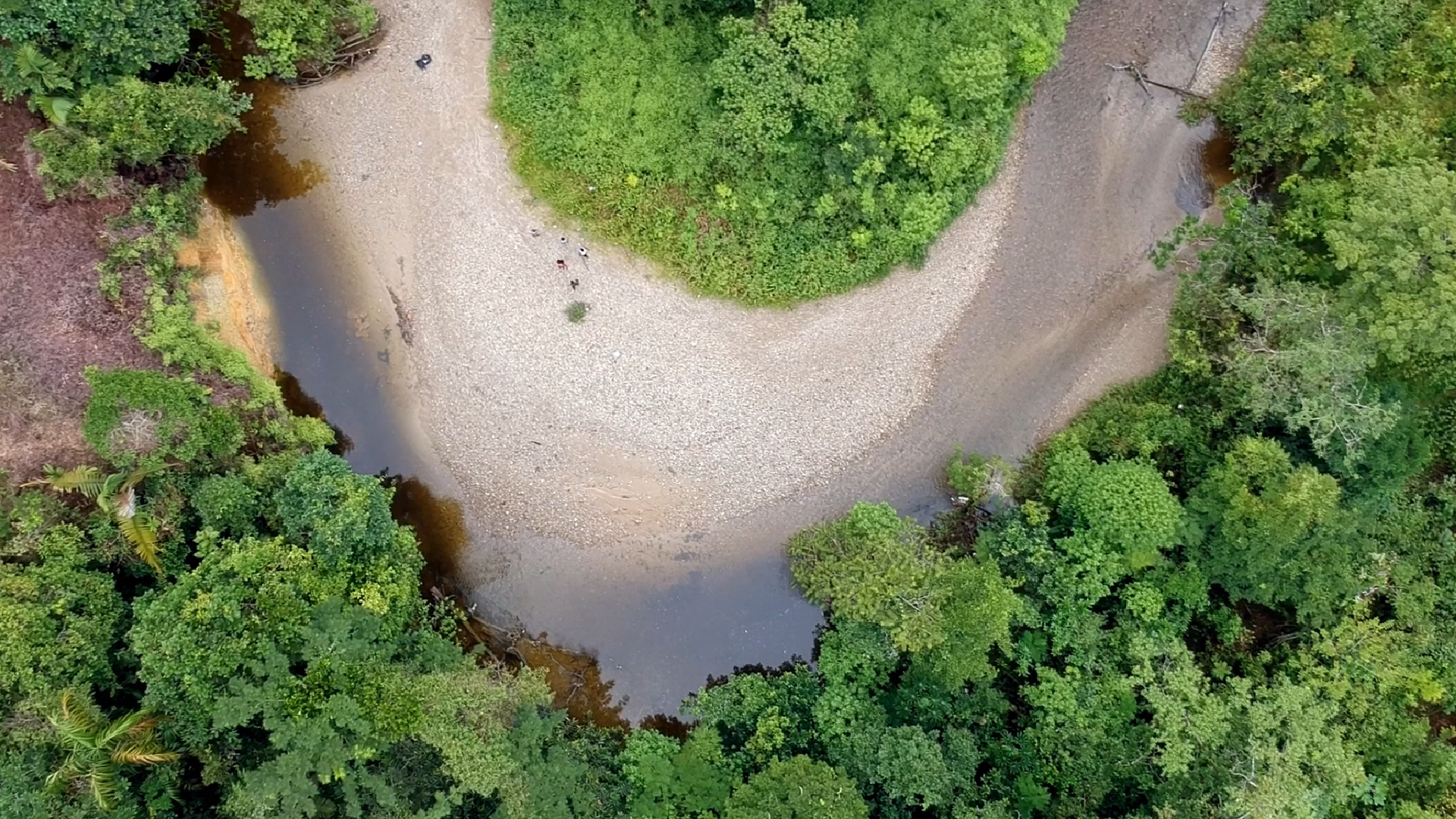
For the first time in Colombia and the third time in the world, the Court gave a legal status to a River, by acknowledging the Atrato a subject of rights. The petitioners requested the State to understand and respect the meaning of the River to them, gauging the implications of its affectation. This is not only a waterbody, but a key pillar in their life system , being a cultural, productive, spiritual, recreative, and mobility support. The River grants their belonging.

The Court attended the call and acknowledged that the Atrato is a living entity that also, sustains other life and culture forms, and therefore granted it the rights to protection, conservation, maintenance, and restoration.

BIOCULTURAL RIGHTS

Additionally, the Constitutional Court took a big step towards the acknowledgment of the interdependence between human communities and nature. As the Court is aware that Atrato holds a huge natural wealth for the country and the world, it acknowledges that this biodiversity exists thanks to the ethnic communities that, through their use and traditions, have looked after that territory, have enriched it, and have evolved with it.

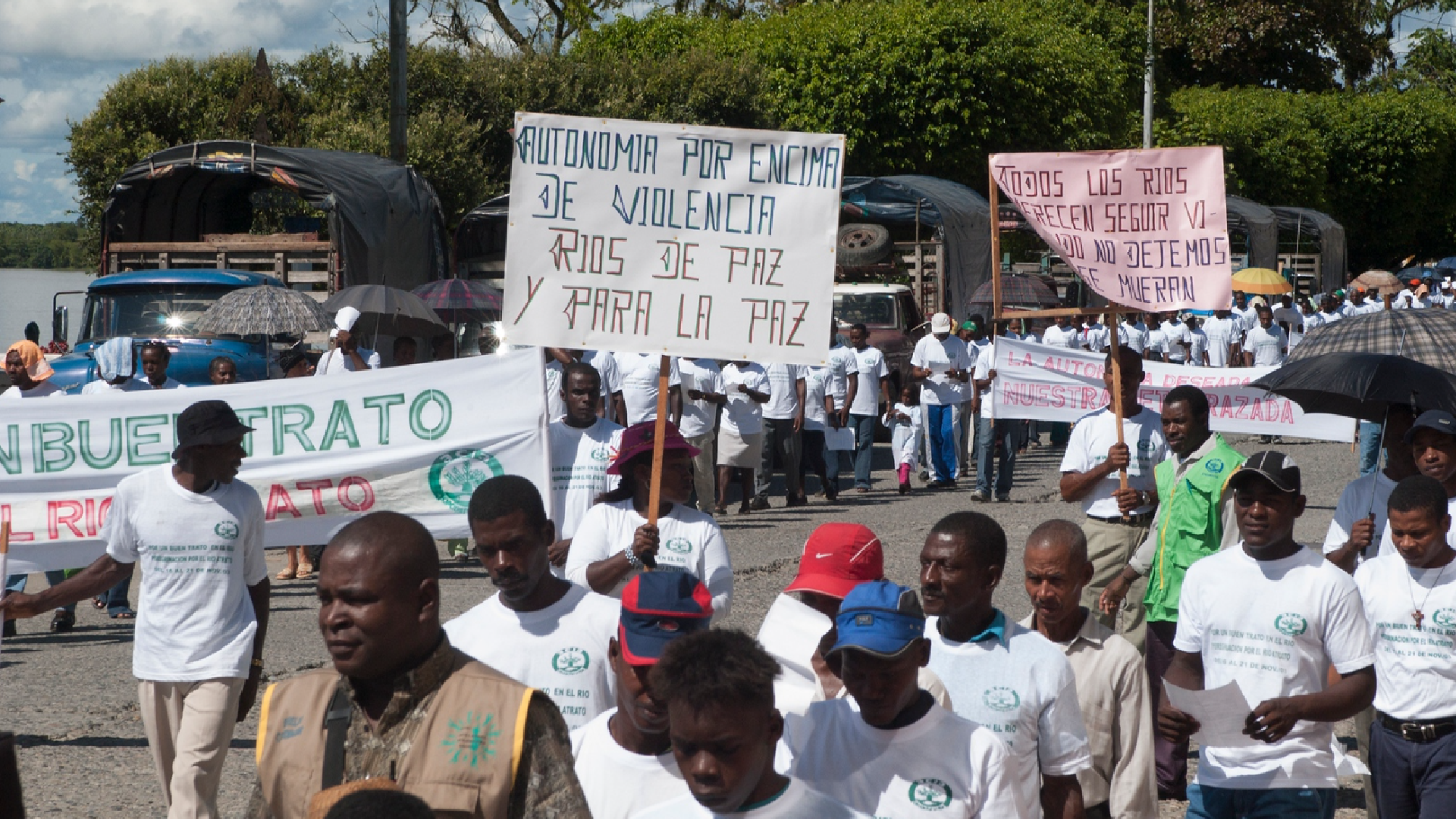
Since, the Court ordered to protect the rights using a biocultural perspective-acknowledging that the autonomy of the territory administration by the communities is what has enabled the mutual survival, and thus, the ordered restorative and conservation measures demand the reinforcement of the territory’s own ethnic governments and their direct involvement in the ruling implementation.

THE JUDGMENT
T-622

OUR NEWS
OUR NEWS

Invited columnists: Viviana Gonzáles and Rodrigo Rogelis, members of the Centro Sociojurídico para la Defensa Territorial Siembra, legal attorneys of the petitioners of the judgment T-622 of the Atrato River.

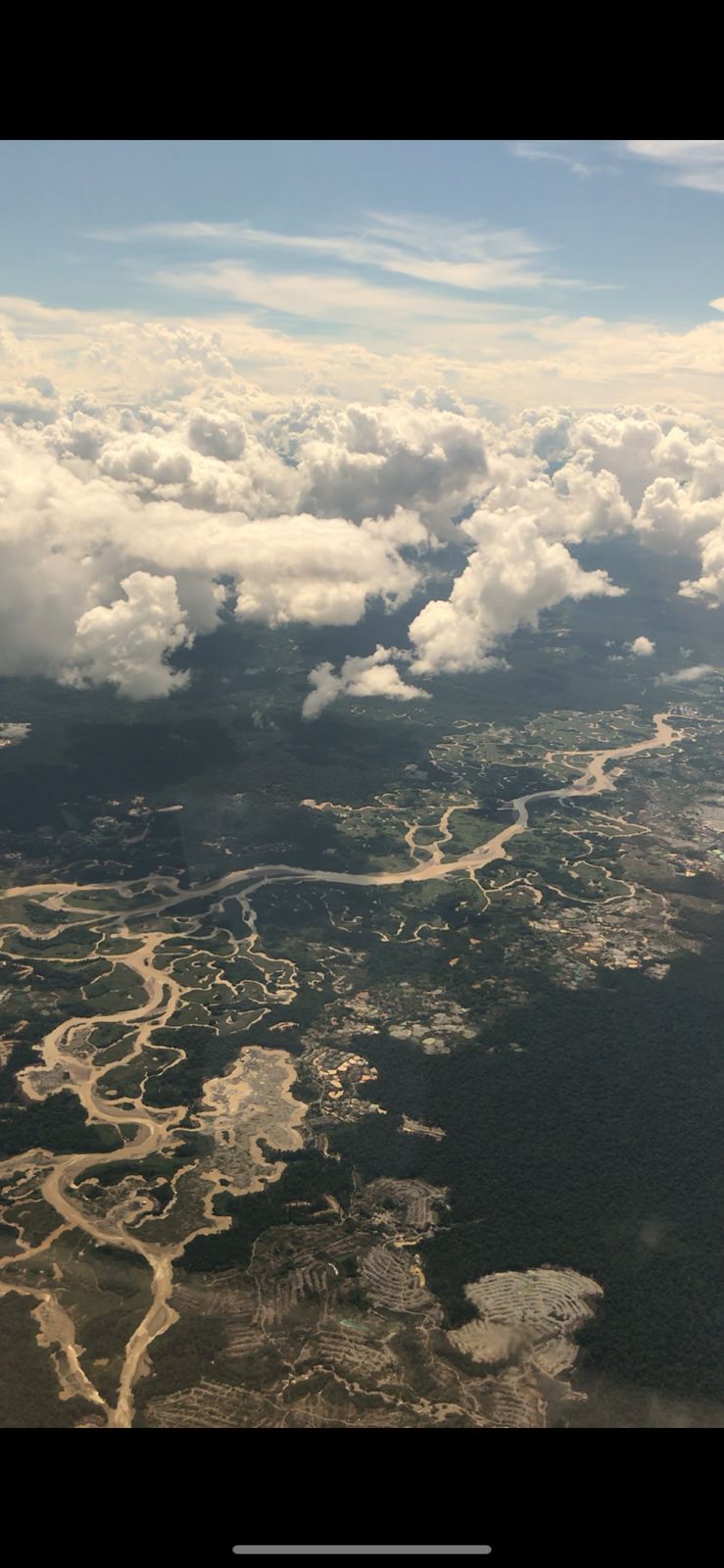
In order to guarantee the protection and decontamination of the Atrato River, in Chocó, Colombia, the judges of the Constitutional Court declared it a “subject of right”. Six years after the judgment, there is still a lot to do. This is a collective work with the journalist Marie Eve Detoeuf, from “Le Monde”.

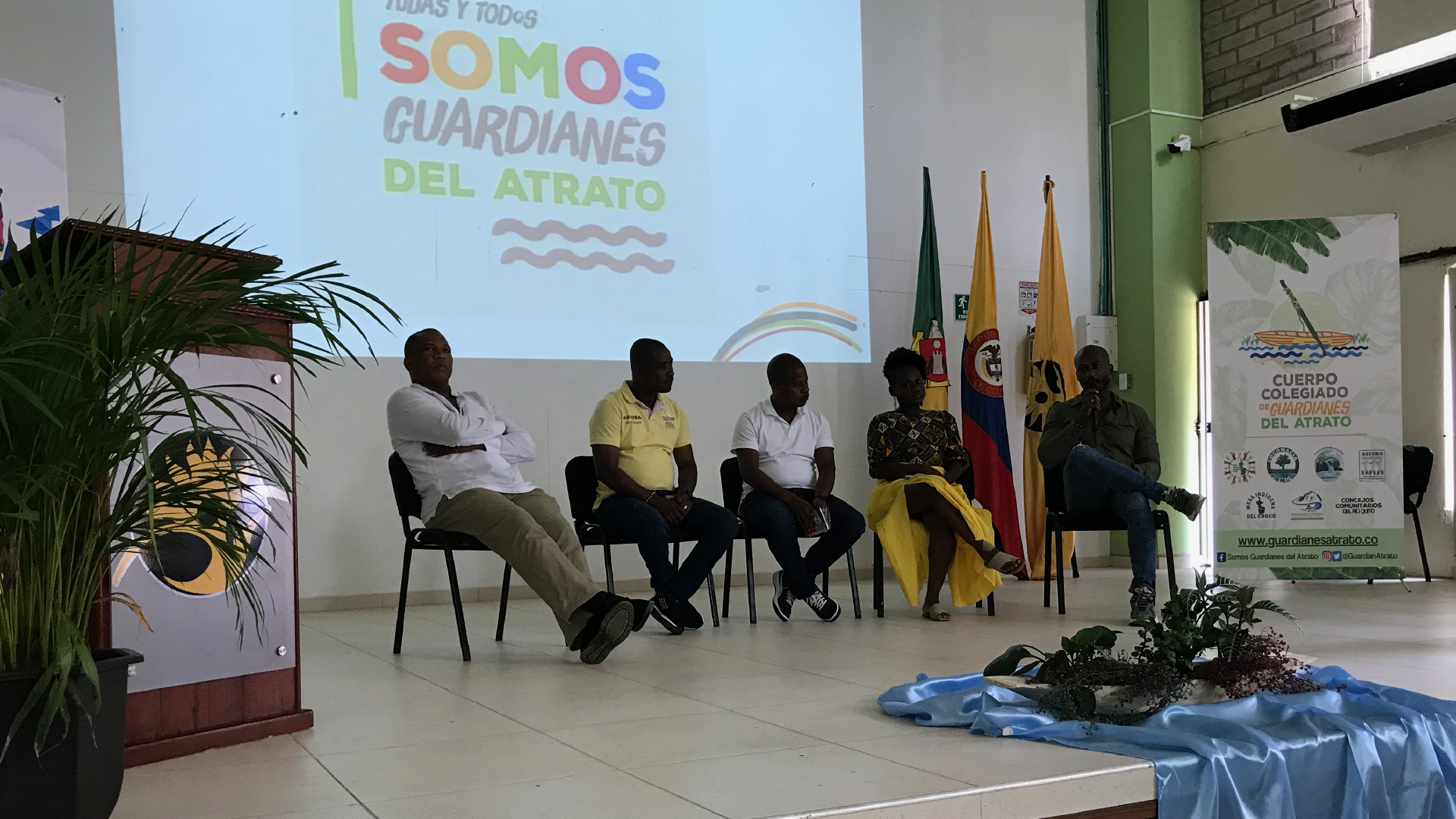
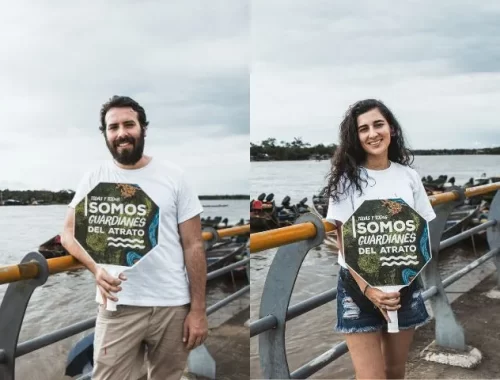
The Guardians of Atrato, along with the Centro Sociojurídico Siembra, will submit next Thursday, November 3rd, a petition to the Constitutional Court for the fifth anniversary of the Judgment T-622, the first to acknowledge a River a subject of rights. In the text, the status of the implementation of the judgment is identified, and even though it has progressed, it has not been fully fulfilled.

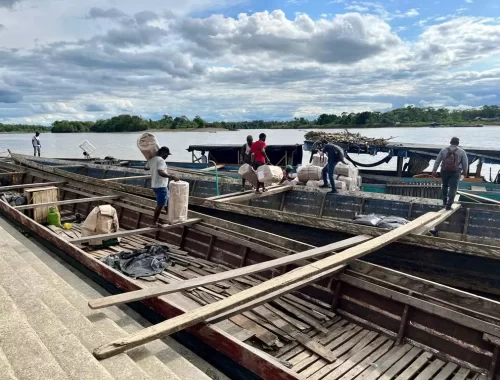
“The judgment T-622 of the Constitutional Court? Everybody here knows it”, says José Adán Palacios, while he charges his boat on the pier of Quibdó. José Adán, who is from Bojayá, transports passengers and merchandise, and knows better than anyone this majestic River and its watersheds. “But the judgment has not changed a thing; the contamination carries on, whether it is due to the mining, deforestation, or trash”, the boatman sighs.