
BACKGROUND
ENVIRONMENTAL AND HUMANITARIAN CRISIS AT THE ATRATO
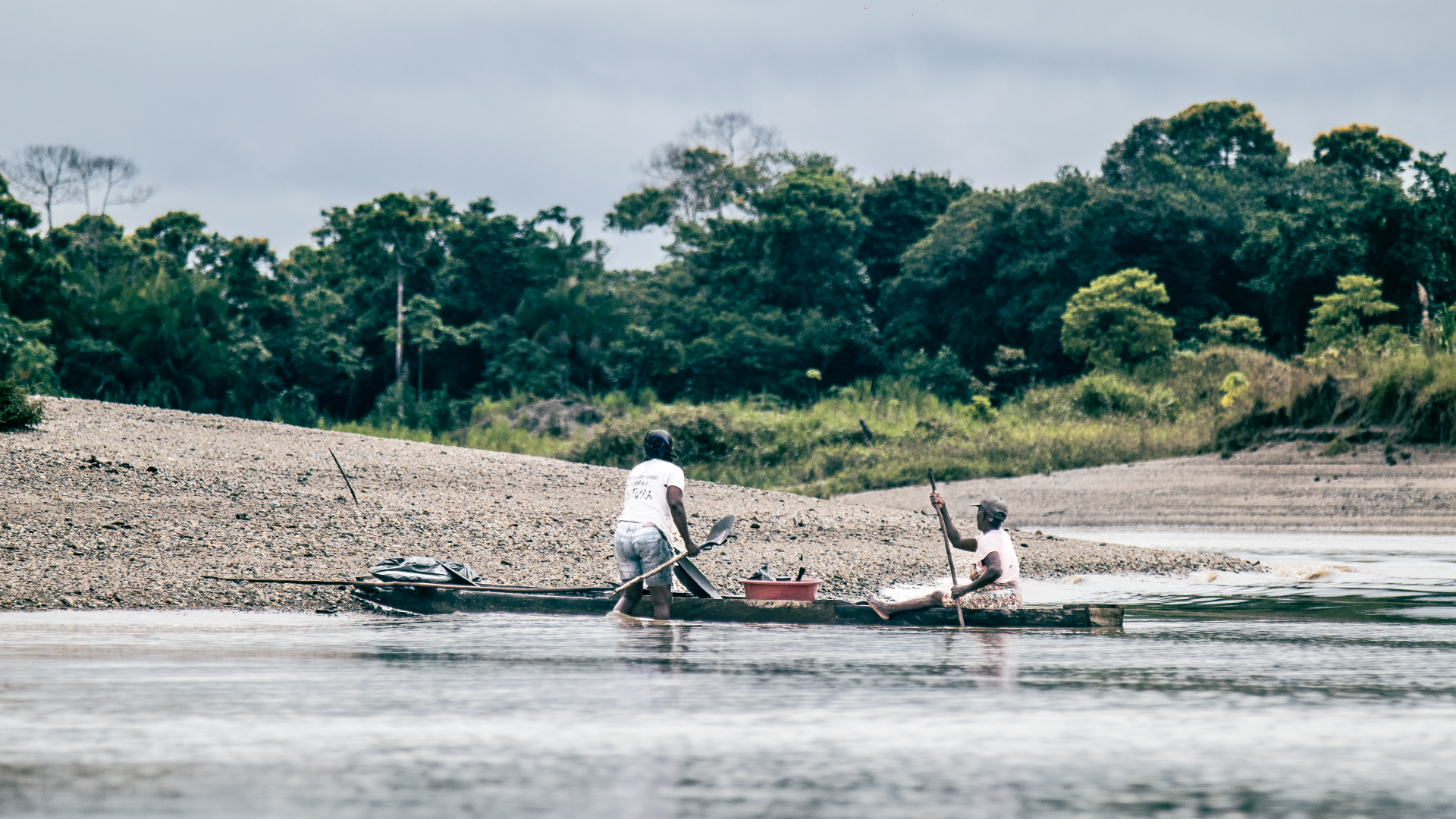
Chocó is a territory mainly populated by Afro-Colombian and Indigenous communities, that throughout the years have called the attention of the Colombian State regarding the delicate socio-environmental situation, caused by the historic exclusion dynamics, presence of armed conflict, structural racism and the absence of a State guarantor of rights.
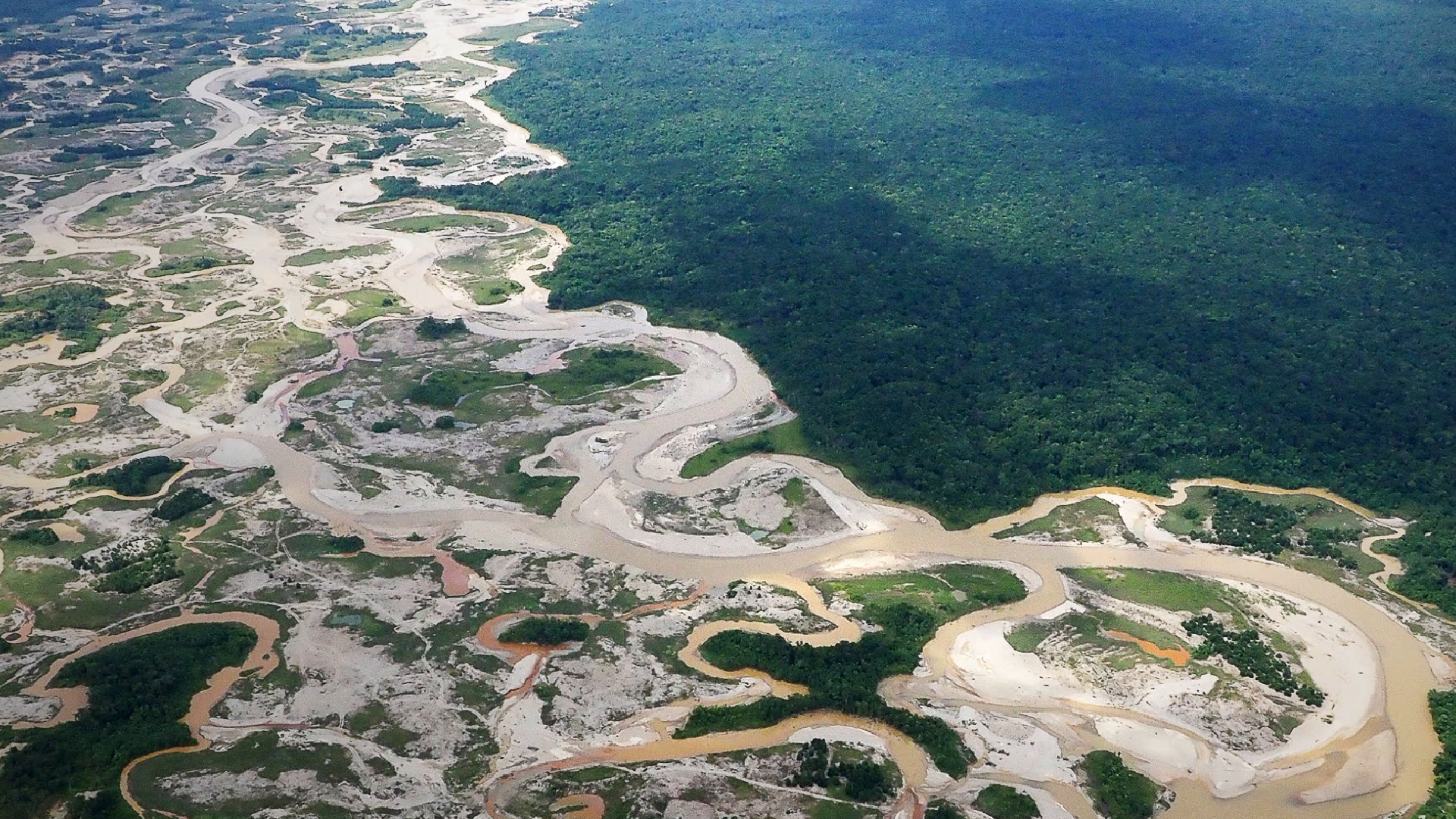
Particularly, the Atrato River is affected by the intensive exploitation of mine and forest resources, which causes disruption of the Rivers, deforestation, biodiversity loss, contamination, dryness of the swamps, among other effects. All this hampers the full enjoyment of the River in a cultural, productive, and spiritual way.
The accumulation of these problematics has been denounced by the organizations of Chocó, who have required the State to guarantee Atrato’s fundamental rights, defend the huge biocultural wealth, and repair the communities and the territory that have been deeply affected by war and extractive activities. Due to the reluctance of the government institutions, the organizations addressed the courts.
HOW WAS JUDGMENT
T-622 ACHIEVED?
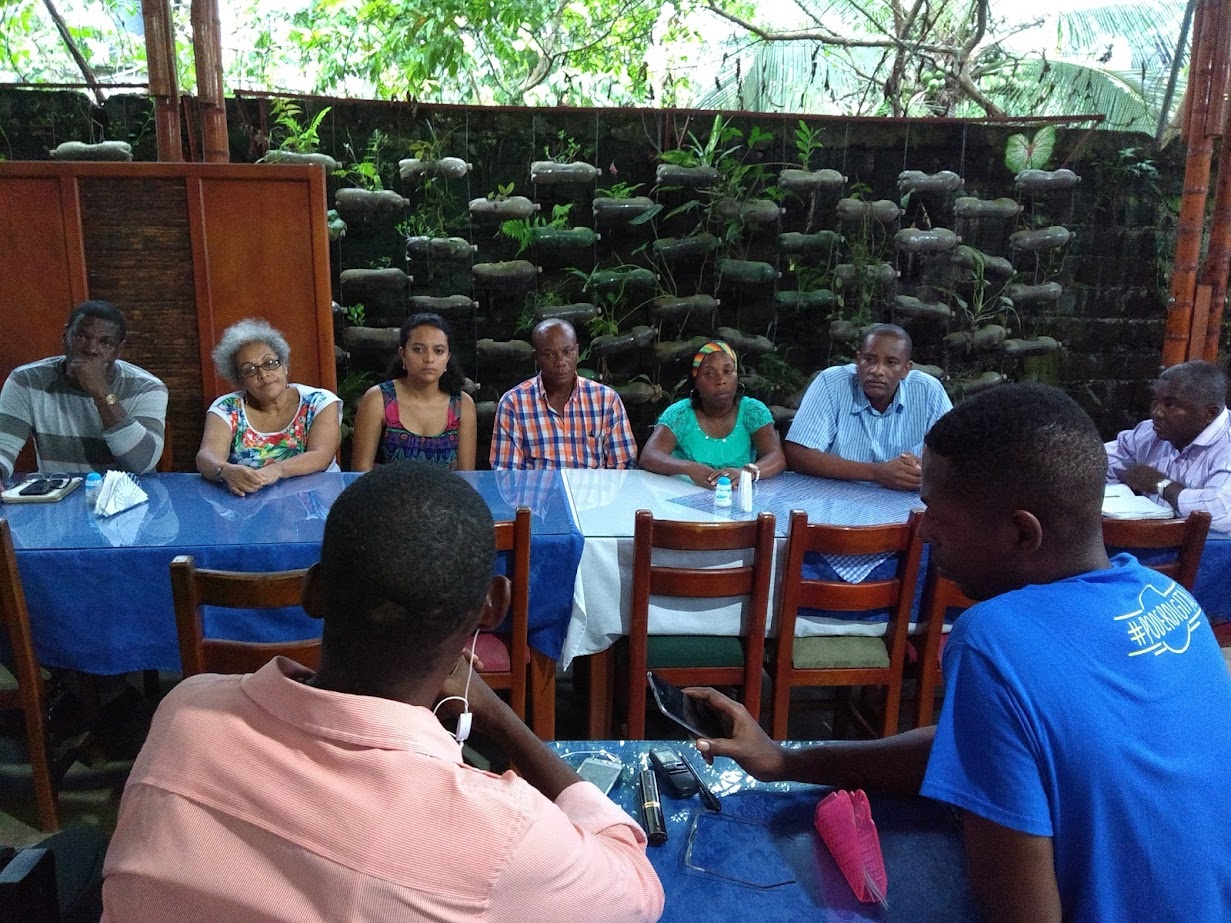
The comprehensive defense of Atrato River implied the articulation of the ethnic authorities of the watershed. In January of 2015, the Foro interétnico Solidaridad Chocó (FISCH), the Asociación de Consejos Comunitarios del Bajo Atrato (ASCOBA), the High Community Council of the Organización Popular y Campesina del Alto Atrato (COCOMOPOCA) lodged a guardianship to guarantee their fundamental individual and collective rights impacted by the extractive activities in the Atrato and the lack of an appropriate basic sewerage system.
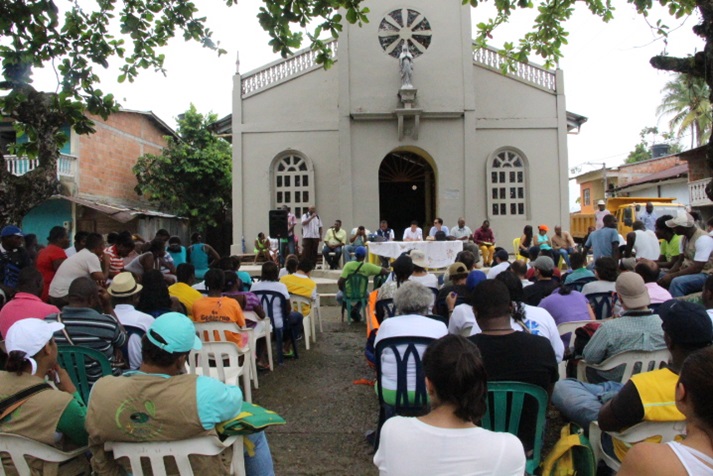
However, the answer from the justice was not favorable. Both the Administrative Tribunal of Cundinamarca, in first instance, and the Council of State in second, declined the constitutional protection after considering that a guardianship was not the adequate mechanism to protect the violated rights. It was then decided to address the Constitutional Court through the procedure of possible review, so the ruling was analyzed, and a new judgment could be issued. In October of 2015, the Court reviewed the case. In a legal inspection in Chocó, they could verify firsthand the situation and gauge the urgency of taking comprehensive actions.
The Court listened to the public entities, social leaders, and oversight bodies. Additionally, a whole series of allied experts submitted legal opinions and Amicus curiae that strengthened the arguments of the case by providing multidisciplinary information about the analyzed problematics. Finally, the Judgment was published in May of 2017, a historic ruling for Chocó, for the whole country, and the world.
BACKGROUND
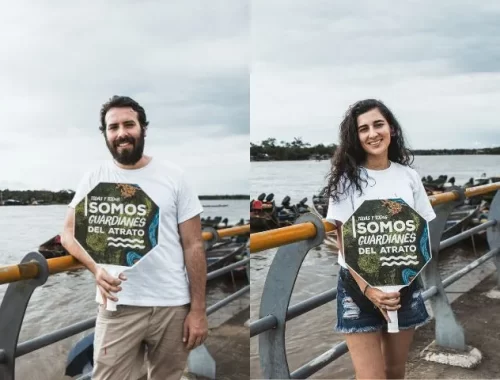
Invited columnists: Viviana Gonzáles and Rodrigo Rogelis, members of the Centro Sociojurídico para la Defensa Territorial Siembra, legal attorneys of the petitioners of the judgment T-622 of the Atrato River.
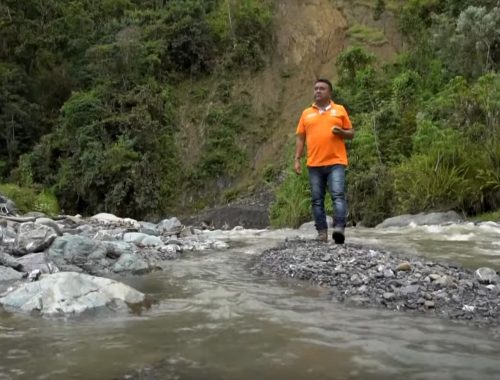
In order to guarantee the protection and decontamination of the Atrato River, in Chocó, Colombia, the judges of the Constitutional Court declared it a “subject of right”. Six years after the judgment, there is still a lot to do. This is a collective work with the journalist Marie Eve Detoeuf, from “Le Monde”.
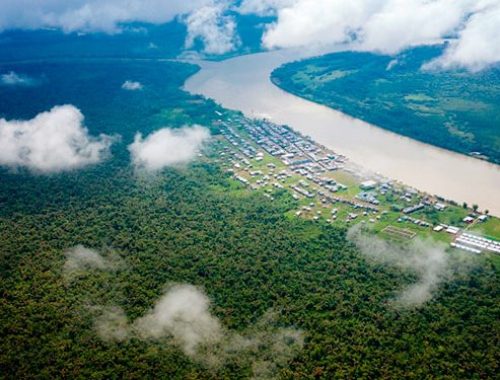
The Guardians of Atrato, along with the Centro Sociojurídico Siembra, will submit next Thursday, November 3rd, a petition to the Constitutional Court for the fifth anniversary of the Judgment T-622, the first to acknowledge a River a subject of rights. In the text, the status of the implementation of the judgment is identified, and even though it has progressed, it has not been fully fulfilled.
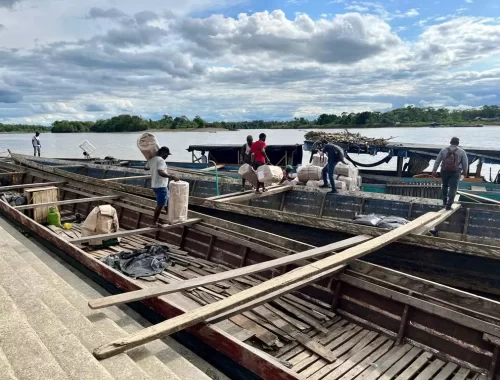
“The judgment T-622 of the Constitutional Court? Everybody here knows it”, says José Adán Palacios, while he charges his boat on the pier of Quibdó. José Adán, who is from Bojayá, transports passengers and merchandise, and knows better than anyone this majestic River and its watersheds. “But the judgment has not changed a thing; the contamination carries on, whether it is due to the mining, deforestation, or trash”, the boatman sighs.